
Monitoring and alert architecture
From the first seismic signal to automated action, in three linked stages.
From the network to each facility
Distributed stations record the event. The platform processes the data and sends alerts to each user’s devices, which can activate warnings and configured actions.
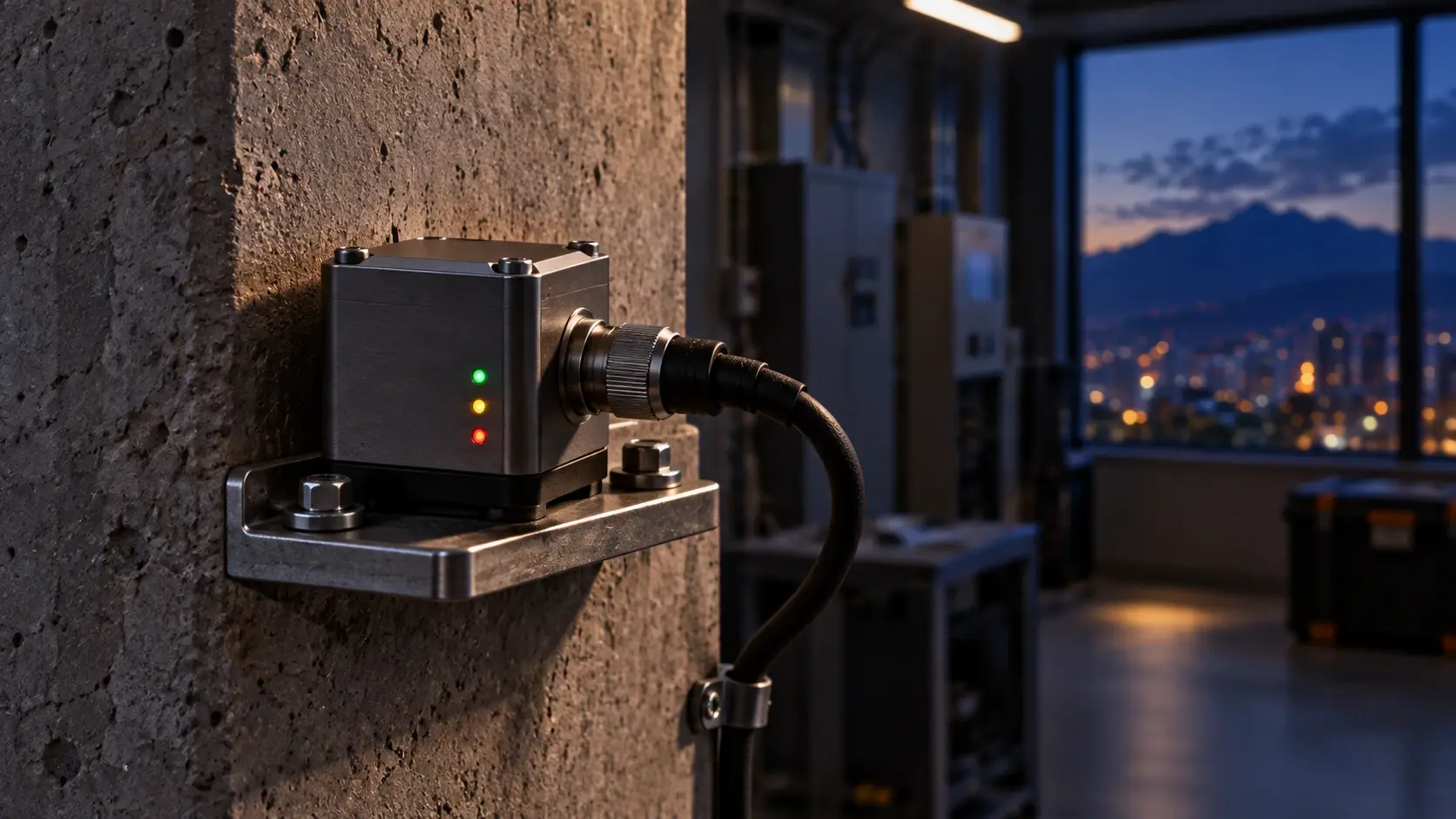

The signal path
Available warning time varies with the user’s distance from the epicentre, geology, coverage, processing and connectivity.
-
01
Detect
The distributed seismic monitoring network detects the onset of an earthquake.
Station records are sent to the platform for event analysis.
-
02
Alert
The platform processes the data and sends each location an alert with estimated local intensity and arrival time.
Estimates may be updated and differ from later assessments. Receipt depends on coverage and connectivity.
-
03
Act
Devices activate warnings and preconfigured actions to support the protection of people, equipment and operational continuity.
Available actions depend on existing systems, integration testing and available time.
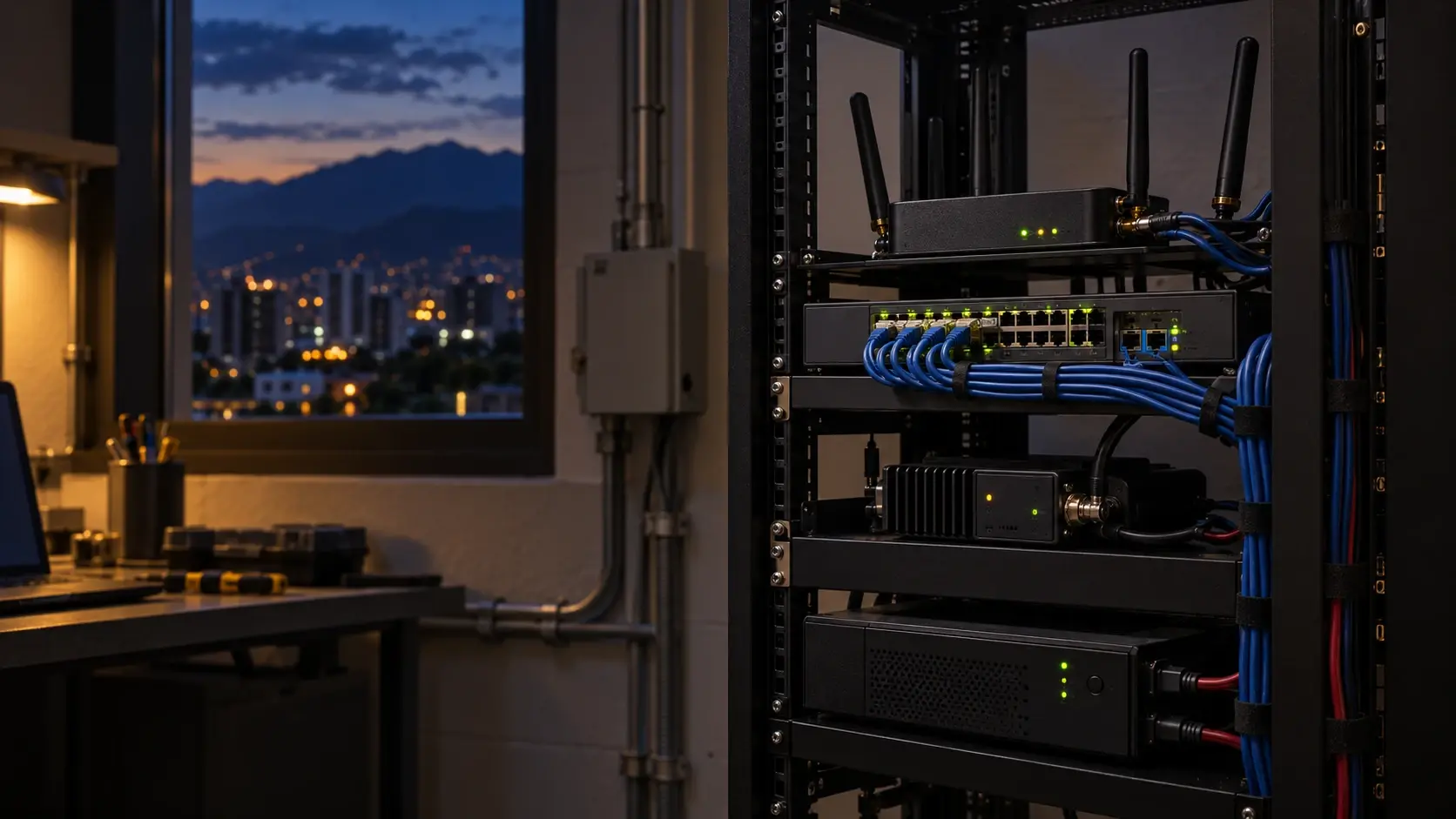
Continuity
Connectivity and redundancy
Depending on the contracted configuration, the network can combine Ethernet, 4G/LTE cellular, satellite link or private radio. Alertnano and AlertBox have no built-in battery.
Alertnano is quoted together with an external UPS. Capacity, runtime and behaviour during outages are defined in the technical proposal.

Limits
What determines the available lead time
Available warning time varies with the user’s distance from the epicentre and the geology through which waves travel. Network coverage, processing and connectivity also matter. Near the source, the alert may arrive with or after strong ground motion.
For that reason the site does not publish guaranteed times. Each project documents the expected behaviour under the conditions assessed during the technical audit.
Assess your site
A technical audit defines installation points, integrations and scope.